Window Tint Maintenance Tips for Long-Lasting Results
March 16, 2026 | No Comments

Automatic car washes are undeniably convenient. They save time, effort, and are a go-to solution for many vehicle owners looking to keep their cars clean. However, a question often arises: Can an automatic car wash damage your car’s paint? While these systems offer speed and efficiency, they also come with potential risks. Let’s delve into the mechanics of automatic car washes, the possible risks to your paint, and ways to protect your vehicle.

Automatic car washes are designed to clean your vehicle quickly using a combination of brushes, rollers, and high-pressure water jets. Here’s a quick breakdown of how they operate:
Each system offers its pros and cons, but they both pose risks to your vehicle’s finish if used frequently.
The brushes and rollers in traditional car washes can pick up dirt and debris from previous vehicles, creating a sandpaper-like effect. This often results in visible swirl marks or micro-scratches on your car’s paint.
Harsh detergents used in some car washes can strip protective layers, such as wax, sealants, or ceramic coatings, leaving your paint more vulnerable to environmental damage.
While PPF offers robust protection, repeated exposure to abrasive brushes or strong chemicals can cause edges to lift or the film to degrade prematurely.
Frequent use of automatic car washes can lead to cumulative damage, including dulling of the paint, fading, and reduced effectiveness of protective coatings.
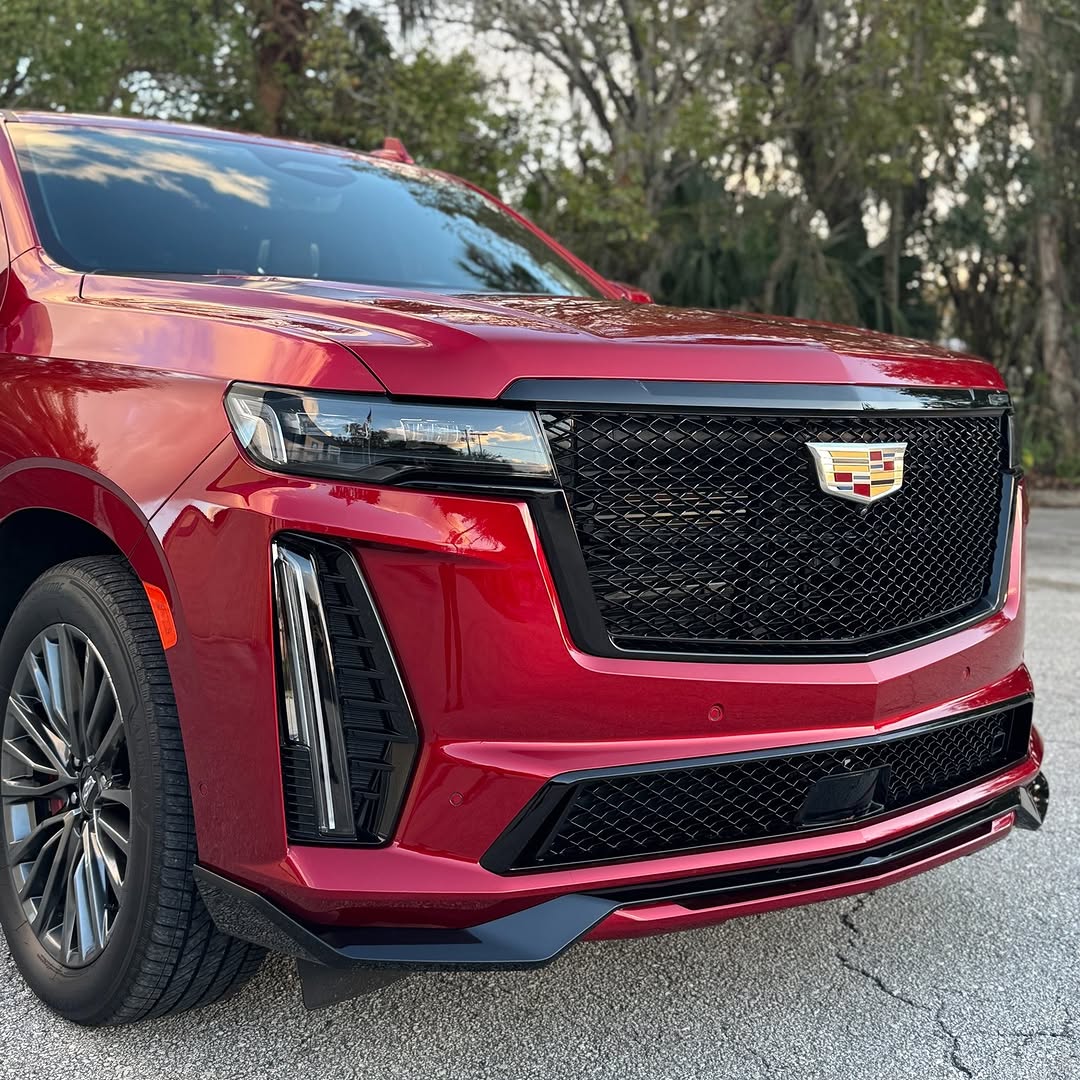
If you must use an automatic car wash, consider these tips to protect your vehicle:
For vehicle owners who prioritize maintaining their paint’s pristine condition, these alternatives are worth considering:
Automatic car washes offer convenience, but they come with risks such as scratches, chemical damage, and wear over time. By choosing the right type of car wash and taking precautions, you can minimize these risks. However, for optimal protection and longevity, consider hand washing, professional detailing, or investing in advanced protection solutions like Paint Protection Film and ceramic coatings.
Protect your investment today! Contact Ceramic Pro Daytona to learn more about PPF, ceramic coatings, and the best methods to preserve your vehicle’s paint.


Subscribe now to keep reading and get access to the full archive.